Seiko
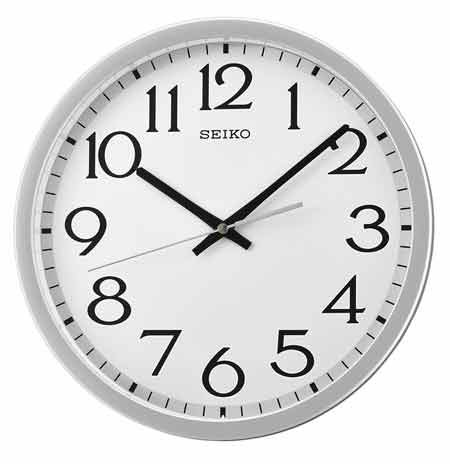
Seiko QXA711SLH Aluminum Quiet-Sweep Wall Clock
Quiet-sweep quartz · 12.25 inches · 1 AA battery
A home-theater wall clock should be silent, dark during playback, and easy to read before or after a movie without competing with the screen or speakers.
Quick answer
Use a silent analog clock outside the viewing zone for a low-tech theater; choose a display with a full blackout mode if exact time must remain available in the dark.
Field option
Source and product details are checked against the linked product page. Availability and price can change.
Seiko
Quiet-sweep quartz · 12.25 inches · 1 AA battery
The best wall clock for a home theater is silent, dark during playback, and placed outside the screen and speaker sightlines. A clock that ticks, glows, or reflects into the screen can damage the room’s main purpose. In many theaters, the best clock is visible before and after a movie but nearly invisible during it.
Home theaters have stricter clock requirements than ordinary living rooms. The room is intentionally dark, sound is amplified, and even a small light can become noticeable during a quiet scene.
Check the clock with the projector or television running and the room at its normal playback brightness. Then sit in the main seat during a quiet scene or pause. A clock that seems harmless with the lights on may become the loudest object in the room when the soundtrack stops.
| Theater Condition | Weak Clock Behavior | Better Signal |
|---|---|---|
| Dark playback | LED glow remains visible | Full blackout or no display light |
| Quiet scenes | Ticking becomes amplified | Silent movement |
| Projector screen | Face reflects into picture | Placement outside screen angles |
| Surround speakers | Clock vibrates or distracts | Separate wall and stable mount |
| Between screenings | Time is hard to check | Readable from the doorway or seating |
The clock should respect the theater’s lighting and acoustic design.
Do not mount the clock above or beside the screen if it will enter the viewing field. Avoid placing it near a front speaker, where vibration and visual competition are both possible. A rear wall, entry wall, or side wall outside the primary sightline is usually better.
Make sure the clock can be read when the room lights are on. A small clock near the doorway may be enough if people mainly check it before a screening. If time must be visible from the seats, choose a silent face with no glow.
A silent analog clock is often the simplest theater solution. It can remain dark during playback and still provide a quick time reference when the room is illuminated. Choose strong hands and a face that does not reflect the screen.
Digital clocks require more careful light control. Choose a model with a true display-off or blackout mode rather than relying on a dim setting. A faint glow can still be visible in a dark room, and automatic brightness changes may occur at the wrong moment.
Smart displays are usually a poor fit unless their other functions are essential. Notifications, status lights, and wake behavior create more theater problems than they solve.
Powered clocks need cable routing that does not cross walking paths or add visible light near the screen. If the clock needs frequent adjustment, use a remote or an accessible wall position so nobody has to move equipment to correct it.
For a room that is rarely used, confirm the clock after power interruptions and daylight saving changes. A beautiful clock that shows the wrong time is still a poor reference.
| Clock Type | Best For | Skip If |
|---|---|---|
| Silent analog clock | Low-tech theaters and media rooms | The face reflects the screen |
| Blackout digital clock | Exact time between screenings | It cannot fully turn off the display |
| Small doorway clock | Occasional time checks | Viewers need to read it in darkness |
| Smart display | Theater-adjacent rooms with other needs | Notifications or LEDs cannot be disabled |
Choose a home-theater clock by what happens in the dark. Silence, no glow, and placement outside the viewing field matter more than extra features. A silent analog clock is often the cleanest answer; choose digital only when it can genuinely disappear during playback.
Related reading
Living Room
A bathroom clock should survive steam, read through mirror glare, and stay simple enough for rushed mornings and shower routines.
Living Room
A covered-patio wall clock should tolerate humidity and temperature changes, remain readable in sun and shade, and stay quiet during meals.
Living Room
A dining room wall clock should fit the table scale, remain readable from the room, and add useful rhythm without competing with conversation or lighting.